
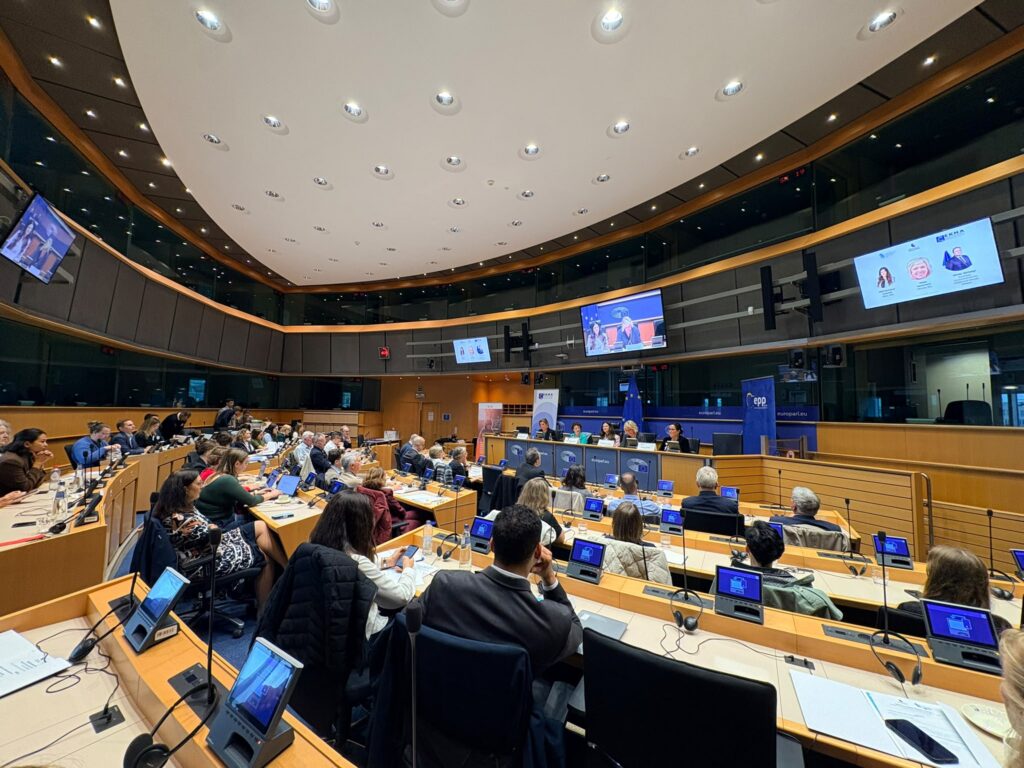
On October 13, 2026, the Global Patient Alliance for Kidney Health (GloPAKH) and the Partnership for Women’s Wellness (PWW) participated in the European Kidney Forum 2026, hosted by the European Kidney Health Alliance at the European Parliament in Brussels. Following the theme “Kidney Health Disparities: Addressing the Gender Gap,” policymakers, clinicians, patients and advocates examined how to make kidney disease prevention and care more equitable across Europe.
Background
Kidney disease is often described as a silent condition, with symptoms that may remain unnoticed until significant damage has occurred. Yet its impact is far from uniform. Biological differences, reproductive health experiences, access to diagnosis and treatment, and social expectations all shape the ways women and men experience kidney disease. Women also shoulder a disproportionate share of unpaid caregiving and are more likely to be living kidney donors, underscoring the need to look beyond clinical outcomes to the well-being of patients and families.
Patient testimonies were a powerful reminder that kidney disease affects mental health, employment, family life and long-term financial security. Speakers also highlighted missed opportunities to recognize kidney risks during and after pregnancy, especially following hypertensive complications. A more gender-responsive approach must account for risks across the life course, including during menopause, while avoiding one-size-fits-all assumptions about either women or men.
Connecting cardiovascular, kidney and metabolic health
A key message from the forum was that kidney health cannot be addressed in isolation. Chronic kidney disease shares important risk factors with cardiovascular and metabolic conditions, including hypertension, diabetes and obesity. This makes integrated prevention and early detection a particularly urgent policy priority.
The European Commission’s Safe Hearts Plan and its proposed approach to cardiovascular health checks offer an opportunity to expand access to screening for kidney failure. Blood pressure and blood glucose measurements should be considered alongside kidney function testing, including urine albumin assessment. Such approaches should be accessible, evidence-based and sensitive to differences in risk between women and men.
As highlighted by a representative of the Organisation for Economic Co-operation and Development (OECD), better sex-disaggregated data and more inclusive research are also essential. The European Health Data Space could help reveal gaps in diagnosis, treatment and outcomes, while supporting continuity of care. But identifying risks must be matched by clear referral pathways, coordinated services and timely access to treatment.
Treating the woman as a whole person with specific needs
The forum reinforced the need for holistic, multidisciplinary approaches to health care that respond to the whole person, not individual conditions in isolation. This means recognizing women’s health needs throughout life, listening to patients and caregivers, and embedding equity in prevention, research and care delivery.
Both GloPAKH and PWW remain committed to working with patient communities, health care professionals and policymakers to reduce gender disparities, advance integrated cardiovascular-kidney-metabolic prevention and translate policy commitments into meaningful improvements for women, their families and their communities.