
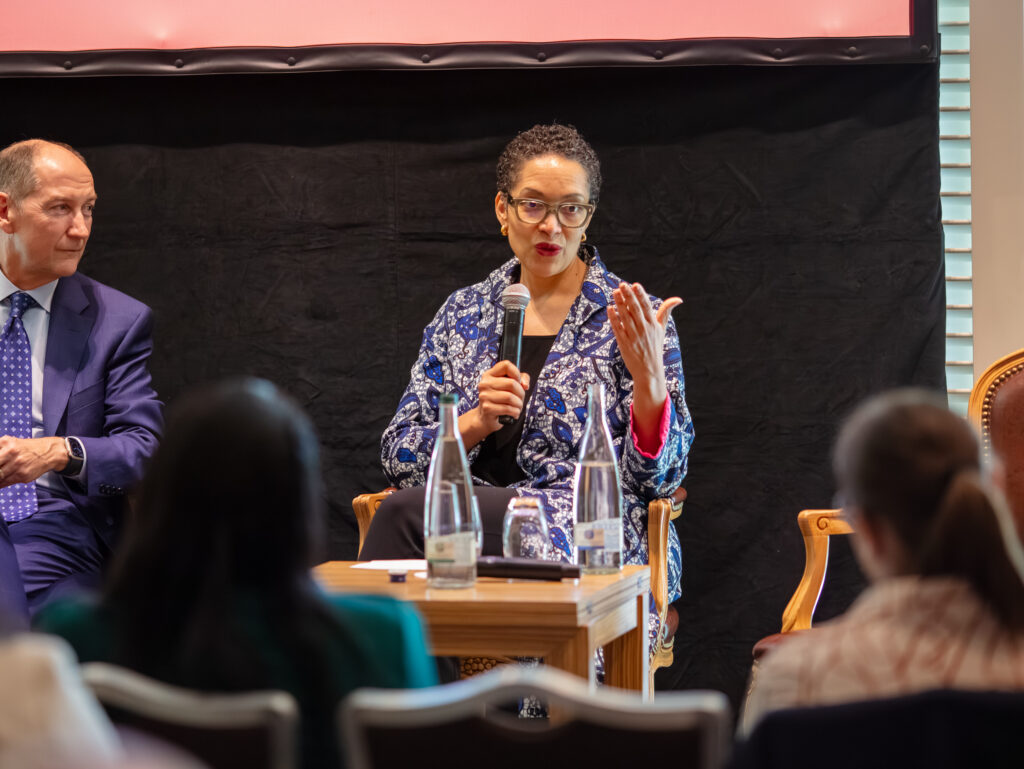
On May 21, 2026, the WHA79 Cardiovascular-Kidney-Metabolic Policy Forum convened in Geneva, Switzerland, alongside the 79th World Health Assembly, bringing together global health leaders to tackle the disproportionate impact of kidney, cardiovascular and metabolic diseases on women’s wellness.
The forum convened health experts, patient advocates and policymakers and built on discussions held in 2025 which underscored the need for early coordinated action to address the growing burden of CKM conditions. This year’s conversation focused on risks women are exposed to, the structural and social barriers hindering access to care and ways to make interventions more responsive to their unique needs setting a precedent for integrating women’s wellness into global high-level health discourse that moves women’s wellness from the margins of non-communicable diseases policy.
A Multidisciplinary Approach to a Complex Challenge
CKM is one of the most serious health threats facing women, with cardiovascular disease remaining the leading cause of death — claiming more lives than all cancers combined. Women also face distinct barriers to prevention, early diagnosis and timely treatment. Because CKM conditions are closely linked, addressing them requires cross-sector collaboration. Yet fragmented health systems often miss opportunities to identify and manage these conditions early in women. Closing these gaps will require meaningful changes in policy and practice, along with a greater integration of women’s lived experiences into healthcare programs and policymaking.
Early Action Must Be the Standard
A message that resonated throughout the forum is the critical need to make early intervention the norm, not the exception.
This means equipping healthcare systems to implement risk-based screening in a coordinated fashion by strengthening primary and community care as front line providers of preventative services and health checks. Expanding access to these services is especially critical in low-resource settings, where women often face additional barriers to care.
Building on What Already Exists
Importantly, the path forward does not require starting from scratch. Global strategic frameworks provide a strong foundation for action. The WHO Kidney Health Resolution and the UN Political Declaration on Noncommunicable Diseases recognize chronic kidney disease as an NCD of great concern, alongside cardiovascular disease and diabetes. The challenge – and opportunity – is to translate these commitments into meaningful action that adequately address CKM conditions in women at country level.
Centering Women’s Voices in Decision-Making
A central theme of the forum was the need to include women in decision-making – not only as patients and recipients of care, but as leaders with expertise.
Women who live with CKM conditions bring invaluable lived experience that must inform the design and implementation of health interventions. Without their voices at the table, efforts to improve health outcomes are missing the mark.
The Forum heard stories from Hyvelle Ferguson Davis, founder of Heart Sistas, Nicole McKelvie, co-founder and chairwoman of Heart Failure Warriors NI, and Antonia King, community lead of CompCure. Each woman shared how missed opportunities for early diagnosis and intervention have had life-altering consequences – outcomes that may have been different if their symptoms were taken seriously earlier.
These experiences highlight a broader, systemic issue. Women’s symptoms—particularly related to cardiovascular and kidney health—are too often overlooked, misinterpreted, or not treated with a sense of urgency.
Embedding patient voices into policy and program development is not optional—it is fundamental to creating systems that recognize symptoms earlier, deliver more coordinated care, and ultimately save lives.
Investing in Women’s Wellness Yields Economic Gains
Investing in women’s wellness is a powerful economic strategy. CKM conditions earlier and more effectively can reduce long-term healthcare costs, improve workforce participation, and drive broader social and economic gains. In women that impact in multiplied near 3-fold as women provide more than 75% of the uncompensated work in society as mothers, caregivers to aging parents and leading households.
The Path Forward
The WHA79 CKM Policy Forum underscored the urgency of the health challenge, as well as the opportunity to adequately address CKM in women. By prioritizing early intervention, leveraging existing global frameworks and ensuring patient voices are included in decision-making, stakeholders can make meaningful progress in reducing the disproportionate burden of CKM diseases on women.