
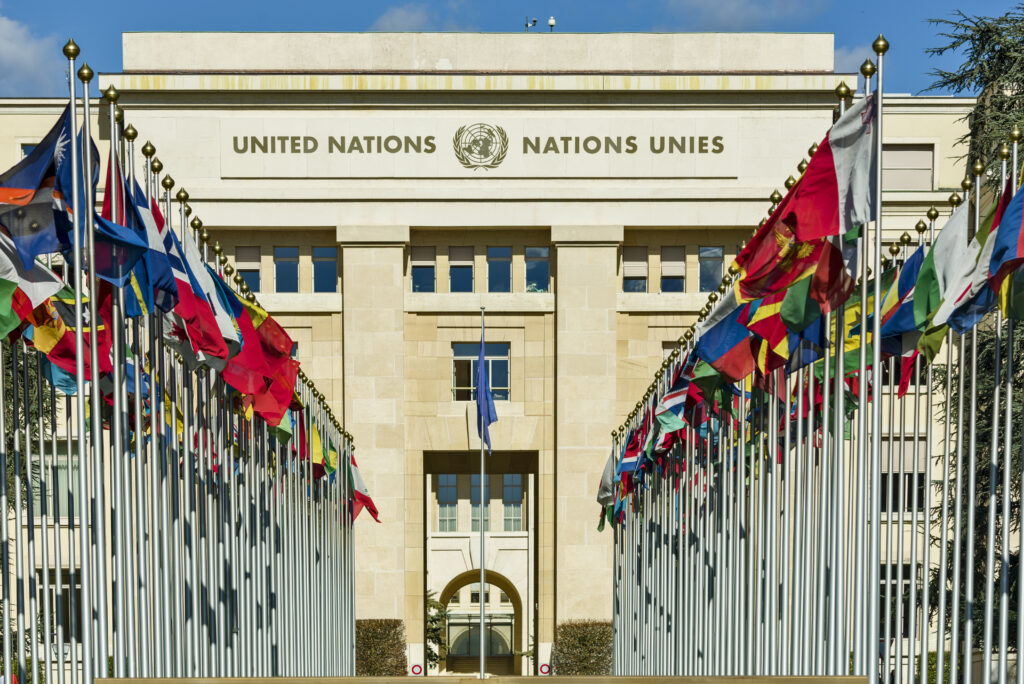
This week, as global health leaders gather in Geneva for the World Health Assembly, the focus for noncommunicable diseases (NCDs) has shifted from commitment to implementation and how to translate the ambitions of last year’s UN High-Level Meeting Political Declaration on NCDs into measurable progress.
To meet this moment, the Partnership for Women’s Wellness (PWW) will be in Geneva urging policymakers to ensure these global priorities translate into tangible gains for women. Alongside the World Health Assembly, PWW will participate in the Cardio-Kidney-Metabolic Policy Forum, highlighting the importance of prevention, screening, early diagnosis, and treatment for conditions where women face disproportionate risk and stand to benefit most from earlier intervention.
Closing the Gap Between Policy and Practice
Global NCD strategies increasingly emphasize prevention, early detection, and health system strengthening. Yet in practice, women remain underserved across the continuum of care. This gap is especially evident in cardio-kidney-metabolic (CKM) conditions, a cluster of interrelated diseases—including cardiovascular disease, chronic kidney disease, diabetes, and obesity—that together represent one of the greatest threats to women’s health globally.
Within this broader category, hypertension and anemia deserve particular attention:
- Hypertension is a leading risk factor for heart disease and stroke in women, often underdiagnosed or undertreated, particularly during and after pregnancy.
- Anemia, especially iron-deficiency anemia, disproportionately affects women across the life course and can exacerbate maternal health complications, reduce productivity, and worsen outcomes in other chronic conditions.
Too often, CKM conditions are identified late, when complications are more severe and harder to manage. Women face missed opportunities for early diagnosis because of fragmented and siloed care, limited access to continuous management, and structural barriers, including cost and caregiving burdens. These conditions are deeply interconnected, sharing common risk factors and requiring coordinated, life-course approaches to care.
Why Prioritizing Women’s Wellness Delivers Broader Impact
Focusing on women’s wellness is not only a matter of equity, but also a strategic investment in health system performance. When hypertension is controlled early, when anemia is prevented or treated promptly, and when CKM risks are managed holistically, complications such as heart attack, stroke, kidney failure, and adverse pregnancy outcomes can be significantly reduced. Health systems also avoid higher downstream costs associated with advanced disease, while families and communities benefit from improved health, stability, and economic participation.
Strengthening Primary Care as the Foundation
A central pillar of effective NCD implementation is stronger, more accessible primary health care. Primary care is where early risk factors can be identified and managed before they progress. Strengthened primary care systems can expand routine blood pressure screening and monitoring; enable early detection of NCD risk factors; identify and treat chronic conditions before they lead to more serious complications; and provide continuous, coordinated care rather than episodic treatment.
Leveraging Maternal Health as a Gateway to Early Detection
Maternal health platforms represent one of the most powerful entry points for addressing NCDs in women. Pregnancy offers a unique window to screen for and manage hypertension, including preeclampsia and postpartum risks; identify gestational diabetes, a predictor of future metabolic disease; detect and treat anemia; and flag early indicators of long-term cardio-kidney-metabolic risk.
A Call to Action
As the World Health Assembly gathers this week its NCD agenda must include a greater and more explicit focus on women’s wellness.
The Partnership for Women’s Wellness calls on policymakers and health system leaders to:
- Expand access to screening and early diagnosis, through investing in greater primary and community care access
- Invest in integrated, continuous care models that reflect the interconnected nature of many NCDs including cardio-kidney-metabolic conditions
- Leverage maternal health platforms as a gateway to lifelong health
- Embed gender-responsive approaches into national NCD implementation plans
The success of global NCD commitments will ultimately be measured by their impact on people’s lives. By prioritizing women’s wellness and ensuring access to early intervention for NCDs that disproportionately impact women, policymakers can accelerate progress and reduce disparities. This is the essence of PWW’s approach: early action delivers better outcomes, for women, for families, and for health systems.