
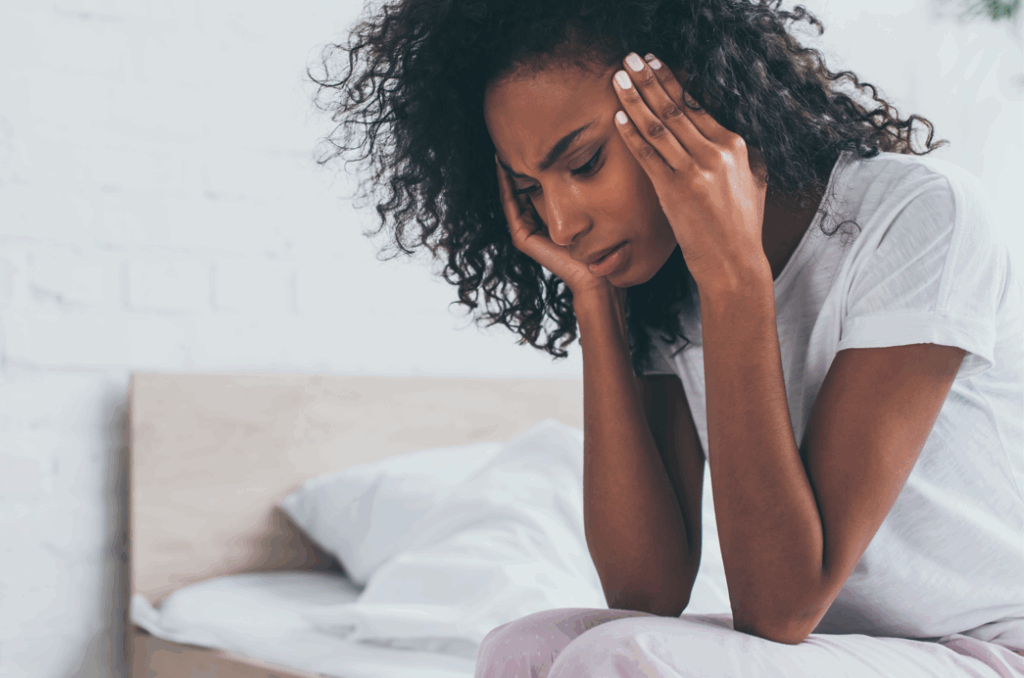
Migraine is a serious, debilitating neurological disease that is too often overlooked. More than a billion people worldwide live with migraine, but women bear a disproportionate share of the burden. Not only are women three times more likely to experience migraine, but the condition often presents differently than it does in men.
Women and Migraine
Migraine patterns and treatment needs can shift significantly as women move through different phases of life. On average, women tend to experience longer, more intense attacks – and far more often. While migraine is commonly dismissed as “just a bad headache,” its symptoms tell a very different story. Throbbing pain, nausea and sensitivity to light can severely disrupt daily life. Migraine is now recognized as the third-leading cause of disability-adjusted life years, reflecting its broad impact on both individuals and the economy.
Hormonal fluctuations are a major trigger for migraine in women. Nearly two in three women with migraine experience attacks around menstruation. Drops in estrogen – whether before a period or during menopause – can provoke migraines, while the rise in estrogen during pregnancy can sometimes reduce or even eliminate symptoms. Hormonal contraception can also change headache patterns, with some women seeing improvement and others experiencing worsening symptoms. Understanding these hormone-related patterns is essential, both for women and for the health systems that serve them.
Bridging Care Gaps
Despite its prevalence and severity, migraine in women remains underdiagnosed and undertreated, often dismissed as a lifestyle issue rather than a neurological disease. Research and awareness gaps only exacerbate the issue: women are severely underrepresented in clinical trials, limiting research among both clinicians and patients, and resulting in inconsistent care.
Closing these gaps will require a more proactive and inclusive approach. Health systems should prioritize multidisciplinary care that integrates patient education, early screening, technological innovation and personalized treatment strategies. By recognizing how migraine uniquely affect women, and ensuring care models reflect those differences, health systems can significantly improve outcomes and quality of life for millions of patients worldwide.
To learn more, read “Women’s Headache Health Through Life Stages,” a policy discussion by The Headache & Migraine Policy Forum (HMPF).
HMPF is a member of the Partnership for Women’s Wellness (PWW).